Category: Anglican Communion

  • Bishop Sarah Mullally chosen next Archbishop of Canterbury

    Bishop Sarah Mullally chosen next Archbishop of Canterbury

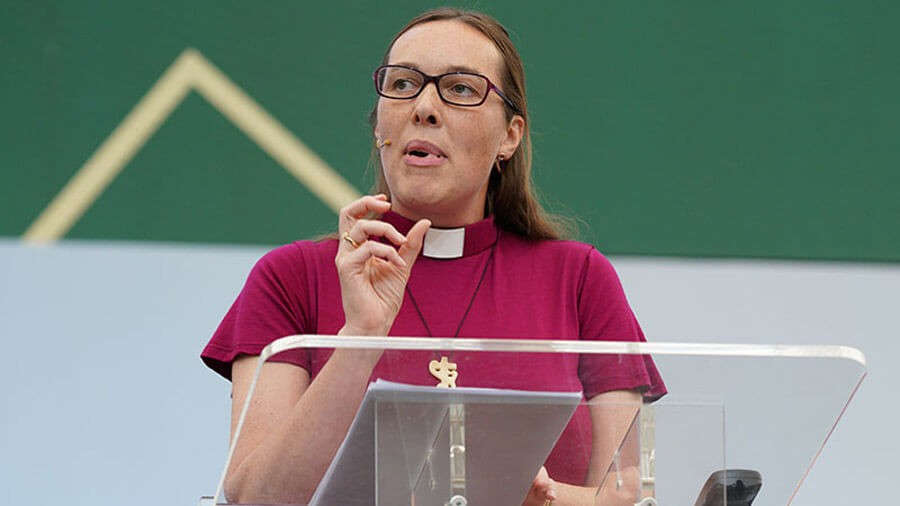
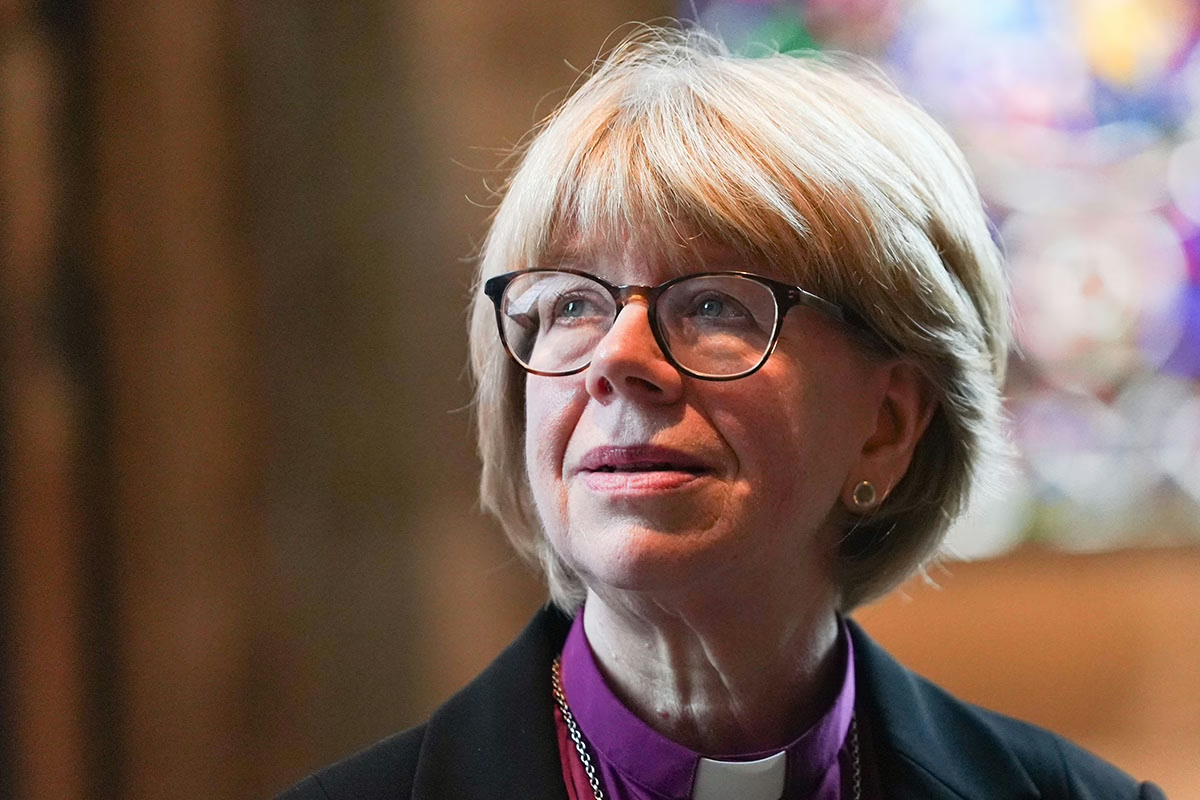
    [Episcopal News Service] London Bishop Sarah Mullally has been chosen as the next archbishop of Canterbury. She will become the first woman to serve in the historic leadership role for both the Church of England and the worldwide Anglican Communion.

    Mullally will succeed former Archbishop of Canterbury Justin Welby. He stepped down in January under pressure from a scandal. He was accused of not appropriately addressing allegations of child abuse by a prominent church member.

    The Archbishop of Canterbury is the most senior bishop in the Church of England. This role is an “instrument of communion” among the 42 autonomous, interdependent provinces that make up the 85-million-member Anglican Communion. All member churches, including The Episcopal Church, have historic ties with the Church of England.

    King Charles III approved Mullally’s nomination as the 106th Archbishop of Canterbury, a largely ceremonial step in a process overseen by the Church of England. Her selection followed months of deliberation by the Crown Nominations Commission with input from Anglicans around the world. The selection now must be ratified by the College of Canons of Canterbury Cathedral later this year. It will be confirmed at a ceremony in January 2026, after which she will take office.

    The Rt. Rev. and Rt. Hon. Dame Sarah Mullally, DBE

    Mullally, 63, has served as the Bishop of London since 2018. She was ordained to the priesthood in 2001 after a career as a nurse treating cancer patients. An installation service for the new archbishop of Canterbury is scheduled for March 2026 at Canterbury Cathedral.

    “As I respond to the call of Christ to this new ministry, I do so in the same spirit of service to God and to others that has motivated me since I first came to faith as a teenager,” Mullally said in a written statement. “At every stage of that journey, through my nursing career and Christian ministry, I have learned to listen deeply – to people and to God’s gentle prompting – to seek to bring people together to find hope and healing.

    “I want, very simply, to encourage the Church to continue to grow in confidence in the Gospel, to speak of the love that we find in Jesus Christ and for it to shape our actions. And I look forward to sharing this journey of faith with the millions of people serving God and their communities in parishes all over the country and across the global Anglican Communion.”

    As archbishop of Canterbury, Mullally becomes the “first among equals” with the primates of the other 41 Anglican provinces. She will have responsibility for convening the Primates’ Meeting and Lambeth Conference of Anglican bishops. Those two bodies make up the Instruments of Communion, along with the Anglican Consultative Council and the Archbishop of Canterbury. She will serve as a “focus of unity” while also presiding at Anglican Consultative Council meetings.

    Response to the announcement

    Bishop Anthony Poggo, secretary general of the Anglican Communion, issued a statement celebrating the selection of Mullally and inviting Anglicans “to pray for her as she prepares to take up this important ministry. May God grant her wisdom and discernment, as she seeks to listen to Member churches, encourage mutual support, and foster unity.”

    And Episcopal Church Presiding Bishop Sean Rowe described Mullally as “a wise and steady leader, a faithful advocate for the leadership of women in the church, and a bishop who will be committed to safeguarding vulnerable people and victims of abuse.”

    “I have written to Bishop Sarah to send my warmest congratulations to her, her husband, Eamonn, and their family, and to tell her how much I look forward to working with her at the primates meeting and across the Anglican Communion,” Rowe said. “Please join me in praying for the Church of England, for all of the primates and churches of the Anglican Communion, and for Bishop Sarah at this momentous time.”

    Possible changes to the role of Archbishop of Canterbury

    Mullally takes office at a fraught time for the Anglican Communion. It is poised to consider changes to the archbishop of Canterbury’s leadership role in the communion.

    The Anglican Consultive Council will take up Two proposals up next year. These would adjust how the  42 Anglican provinces relate to each other — de-emphasizing the Church of England and the archbishop of Canterbury while elevating more geographically diverse leaders for the global network of Anglican and Episcopal churches.

    The proposals were developed partly in response to longstanding theological divisions between some of the provinces. It remains to be seen whether the proposed changes could mend what some conservative bishops have described as their “impaired” communion with provinces like The Episcopal Church that are more progressive on issues of LGBTQ+ inclusion.

    Under one of the proposals, the archbishop of Canterbury would no longer serve as the ACC president. The presidency instead would rotate among leaders from the Anglican Communion’s five regions. And the Primates’ Meeting and Lambeth Conference would be newly convened by the Primates’ Standing Committee.


    David Paulsen is a senior reporter and editor for Episcopal News Service based in Wisconsin. He can be reached at dpaulsen@episcopalchurch.org.

    Episcopal News Service

    About Episcopal News Service

    Episcopal News Service (ENS) offers in-depth reporting of local, regional, national and international news for Episcopalians and others interested in the church’s mission and ministry. Episcopal News Service is the official news source of the Episcopal Church.

    The Episcopal Church of the Redeemer: Worshiping God, living in community, reaching out to the world.

    Church of the Redeemer

    Church of the Redeemer: Worshiping God, living in community, and reaching out to the world around us. We are an Episcopal Church serving north King County and south Snohomish County, Washington. As you travel your road, go with friends walking the way of Jesus at Redeemer.

    Church of the Redeemer is at 6220 Northeast 181st Street in Kenmore, Washington. The campus is a short distance north of Bothell Way, near the Burke-Gilman Trail. The entrance looks like a gravel driveway. The campus is larger on the inside than it is on the outside. And we managed to hide a large building on the side of a hill that is not easily seen from the street.

    The Episcopal Church welcomes you.
  • The Patriarchs and Heads of the Churches in Jerusalem have issued a Christmas message

    The Patriarchs and Heads of the Churches in Jerusalem have issued a Christmas message

    The people who sat in darkness have seen a great light, and for those who sat in the region and shadow of death, light has dawned.
    (Matthew 4:16, quoting Isaiah 9:2)

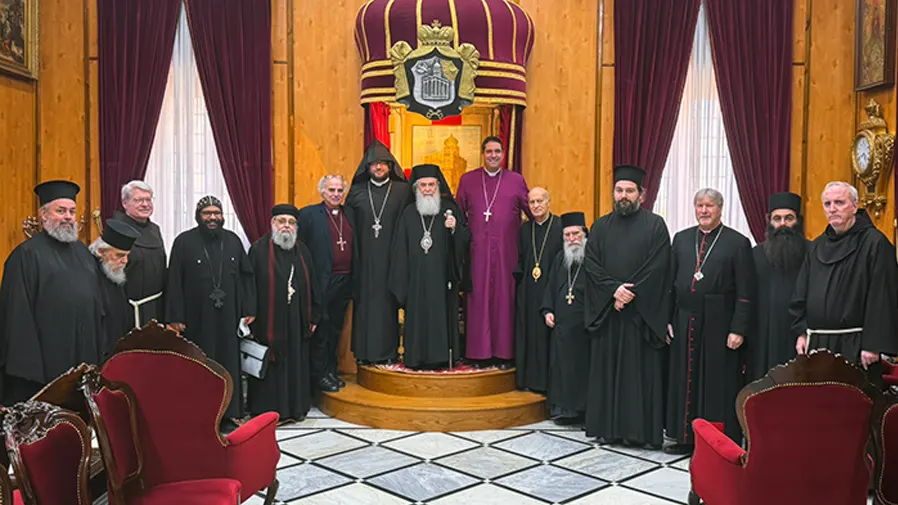
    In the midst of these dark days of continuing conflict and uncertainty in our region, We, the Patriarchs and Heads of the Churches in Jerusalem, remain steadfast in proclaiming to our local congregations and the wider world the eternal Christmas message of the True Light shining in the darkness: the birth of our Lord Jesus in Bethlehem (John 1:5).

    For in Christ’s Nativity, the light of God’s salvation first came into the world, enlightening all who would receive Him, both then and now, and offering them “grace upon grace” to overcome the dark forces of evil that ceaselessly conspire to bring about the destruction of God’s creation (John 1:16).

    John the Baptist later testified to the light as “the voice of one crying in the wilderness: ‘Make straight the way of the Lord’” (John 1:23; Isaiah 40:3). As the above passage reveals, its divine rays first dawned upon our spiritual ancestors, who received the message of salvation while dwelling “in the region and shadow of death” (Matthew 4:16). Enduring many hardships, they went on to pass along the Holy Light of Christ’s Resurrection, becoming His witnesses in Jerusalem, throughout the Holy Land, and to the ends of the earth.

    This ancient path of redemption leads us full-circle to our time, when wars still rage and untold millions in our region and around the globe continue to suffer grievously. Outwardly, little seems to have changed. Yet inwardly, our Lord Jesus Christ’s holy birth sparked a spiritual revolution that continues to transform countless hearts and minds towards the ways of justice, mercy, and peace (Micah 6:8; Ephesians 2:17).

    For those families of the faithful who have remained in the Holy Land, as well as those who have joined us, it is our privilege to continue to testify to the sacred light of Christ in the very places where He was born, ministered, and offered Himself on our behalf, rising victoriously from the grave to a new resurrected life. We do this by offering Him our worship at the holy sites; by welcoming pilgrims and visitors into our midst; by proclaiming His sacred Gospel to all who will hear; by continuing His ministries of teaching, healing, and loving-kindness; and by advocating for “liberty for the captives, and release to the prisoners” (Isaiah 61:1; Luke 4:18–19).

    In this hopeful Christmas spirit, we give thanks to the Almighty for the recent ceasefire between two of the warring parties in our region, and we call for it to be expanded into Gaza and many other places, bringing an end to the wars that have plagued our part of the world. We likewise renew our appeal for the release of all prisoners and captives, the return of the homeless and displaced, the treatment of the sick and wounded, the relief of those who hunger and thirst, the restoration of unjustly seized or threatened properties, and the rebuilding of all public and private civilian structures that have been damaged or destroyed.

    Finally, during this sacred Christmas season and beyond, we call upon all Christians and those of goodwill around the world to join us in praying and working towards this noble mission, both in Christ’s homeland and wherever there is conflict and strife. For by together doing so, we will indeed be truly honoring the Prince of Peace who was born so humbly in a stable in Bethlehem more than two millennia ago.

    —The Patriarchs and Heads of the Churches in Jerusalem
    13 December 2024

    From the Anglican News Service.

    Church of the Redeemer logo

    Church of the Redeemer

    Welcome to Church of the Redeemer: Worshiping God, living in community, and reaching out to the world. We are an Episcopal Church serving north King County and south Snohomish County, Washington. As you travel your road, go with friends walking the way of Jesus at Redeemer.

    Church of the Redeemer is at 6220 Northeast 181st Street in Kenmore, Washington. We are a short distance north of Bothell Way, near the Burke-Gilman Trail. The entrance looks like a gravel driveway. The campus is larger on the inside than it is on the outside. And we managed to hide a large building on the side of a hill that is not easily seen from the street.

    The Episcopal Church welcomes you.

  • ACC discusses ‘good differentiation’ amid divisions in Anglican Communion on human sexuality

    ACC discusses ‘good differentiation’ amid divisions in Anglican Communion on human sexuality

    [Episcopal News Service] The Episcopal Church’s representatives to the Anglican Consultative Council (ACC) participated February 14, 2023, in a discussion on the challenges of maintaining – and, in some ways, restoring – unity among the worldwide Anglican Communion’s 42 provinces at a time of stark divisions over human sexuality and marriage equality.

    About 110 representatives from 39 of those provinces are in Accra, Ghana, February 12-19, 2023, for the 18th meeting of ACC, one of the Anglican Communion’s four Instruments of Communion and the only to include laity. The other three are the Lambeth Conference of Anglican bishops, the Primates’ Meeting and the archbishop of Canterbury, an office known as the “focus of unity.”

    The importance of lay people

    During presentations originating from small table discussions about a report on unity, faith and order, Annette Buchanan, a lay leader from the Diocese of New Jersey, expressed concerns about the Anglican Communion’s structural power dynamic that gives greater weight to the voices of bishops and other clergy over lay voices.

    “No one asked the laity when you were at Lambeth what issues would be the priority issues,” Buchanan said, addressing the two bishops who were leading the session.

    “No one asked the laity whether or not gender-based issues or LGBTQ issues were the priority. … The voices of the majority are not being heard. Those who are in the hierarchy have instruments whereby they discuss issues with each other, and there is no input [from lay leaders]. And so, this becomes a matter of power, status, control.”

    Buchanan’s reference to the Lambeth Conference connected the issue of lay priorities to the divisions that were on display at that conference held late last July and into early August in Canterbury, England. Some conservative bishops, mostly from provinces in Africa and Asia, sought to amplify their criticisms of The Episcopal Church and other provinces that have welcomed LGBTQ+ people more fully into the life of their churches, however, it was not evident that such criticisms reflected the daily concerns of the parishioners in the conservative bishops’ provinces.

    Bishop Graham Tomlin of the Church of England, who serves as chair of the Inter-Anglican Standing Commission on Unity, Faith and Order, thanked Buchanan for asserting the important role of lay leaders. “It’s a really helpful reminder to us to make sure that voice of the laity – which of course is here in the ACC but not in the other instruments – is heard in the bit of work that we do as well.”

    Autonomous, independent churches

    The Anglican Communion is made up of autonomous, interdependent churches that all have historic roots in the Church of England. There is no central decision-making body in the Anglican Communion. Provinces retain authority to make decisions for themselves while coming together at ACC about every three years for prayer, worship and discussions on the future of the Anglican Communion.

    Each Anglican province may appoint and send up to three members to ACC, typically a bishop, another clergy member and a lay person.  Buchanan, a former Union of Black Episcopalians president, is joined in Ghana by Maryland Bishop Eugene Sutton and the Rev. Ranjit Mathews, the Diocese of Connecticut’s canon for mission, advocacy, racial justice and reconciliation, representing The Episcopal Church.

    Tomlin led the afternoon session February 14 along with Bishop Paul Korir of Kenya. In presenting their report on behalf of the Commission on Unity, Faith and Order, Tomlin and Korir stressed that the structure of the Anglican Communion has evolved and may continue to evolve to accommodate differences among provinces while fostering unity around core faith beliefs.

    The commission’s members, Korir said, “quickly agreed that all Anglicans, indeed all Christians, are called by God to consider carefully and prayerfully what communion, “koinonia,” means. That is to consider the nature of the fellowship that we share in Jesus Christ.” The commission’s report and recommendations included a proposal to study the Anglican Communion’s current structure and report back to ACC in three years on possible paths forward.

    “We hope to be able to speak directly to some of the present impairments in the life of the Anglican Communion,” Korir said.

    Please accept YouTube cookies to play this video. By accepting you will be accessing content from YouTube, a service provided by an external third party.

    YouTube’s privacy policy

    If you accept this notice, your choice will be saved and the page will refresh.

    Disagreements over LGBT+ issues

    Such impaired relations were made plain at this in-person meeting by the absence of three Anglican provinces. Leaders of the provinces of Nigeria, Uganda and Rwanda have not participated in the Instruments of Communion for at least 15 years because of their objections to some provinces’ ordination of openly gay and lesbian clergy and adoption of marriage rites and blessings for same-sex couples.

    Last week, the Church of England’s General Synod endorsed its own plan to bless same-sex unions for the first time while stopping short of condoning same-sex marriage. A group of conservative Anglican leaders known as the Global South Fellowship of Anglican Churches responded by saying that the Church of England’s actions call into question Welby’s ability to uphold the archbishop of Canterbury’s role as a “focus of unity.”

    The Rev. Joseph Bilal, an ACC member from South Sudan, rose to say that he thinks one of the roots of impairment is a breakdown in the ability of Anglicans to listen openly.

    The importance of listening

    “In which way could we be able as [the] Anglican Communion to listen to one another and also act in a way that it doesn’t affect another?” Bilal said. That “is one of the biggest struggles that I have.”

    The Rev. Ranjit Mathews, The Episcopal Church’s clergy delegate to the 18th Anglican Consultative Council, speaks during a February 14, 2023 discussion. Photo: Neil Turner for the Anglican Communion Office

    Mathews, The Episcopal Church’s clergy member on ACC, said he appreciated Bilal’s point about the importance of listening.

    “If we look around this room, this is the beauty of our communion, the diversity,” Mathews said. “Any sort of unity should not be weaponized or seen as coercive, but if we can live and truly be who we are and if the quality of our listening can go deeper, I think that’s the invitation and our vocation as the communion.”

    Core Christian beliefs transcend differences

    Senzo Mbhele, the lay member from the Anglican Church of Southern Africa, shared that his table’s discussion had focused on how core Christian beliefs transcend denominational, provincial and cultural differences.

    “When we approach the throne of heaven one day, there’s no way God is going to say, ‘well done, my good and faithful Anglican.’ He will say, ‘well done, my good and faithful servants.’ And he will not differentiate between black or white, Global South or North,” Mbhele said.

    At the same time, he warned that the work toward unity through faith may not overcome existing power imbalances. “The more we work together with different people, one of the dangers is that the more powerful will then suppress the cultures that are weaker, in whatever sense.”

    The Rev. Andrew Atherstone, an ACC member from the Church of England, echoed such concerns while turning the focus on his own province.

    “England always likes to think of itself as first … sort of first among equals,” Atherstone said. “Is that really appropriate in the new communion or whatever shape it might be? Some work on that from your group would be appreciated.” (The archbishop of Canterbury, who also heads the Church of England, often is considered the historic “first among equals” in the Anglican tradition.)

    Tomlin acknowledged that his commission will have to consider the future of “the Anglican Communion in a post-colonial world.”

    Delegates to the 18th Anglican Consultative Council participate daily in small table discussions. Photo: Neil Turner for the Anglican Communion Office

    Good differentiation

    Actions of ACC are not binding on the member provinces, though Tomlin said in his introductory remarks that the provinces may better serve their shared mission by joining together.

    “When we serve others in the name of Christ together, that is so much more powerful as a witness than when we do it alone,” he said.

    Later in the day, ACC members considered their first set of resolutions, including the one on “good differentiation” submitted by the Commission on Unity, Faith and Order. The resolution “affirms the importance of seeking to walk together to the highest degree possible and learning from our ecumenical conversations how to accommodate differentiation patiently and respectfully,” and it tasks the commission with developing proposals for the ACC to review.

    After additional discussion by ACC members, the resolution passed with a show of hands.

    —David Paulsen is an editor and reporter for Episcopal News Service. He can be reached at dpaulsen@episcopalchurch.org.


    The Episcopal Church of the Redeemer: Worshiping God, living in community, reaching out to the world.

    Church of the Redeemer

    Church of the Redeemer: Worshiping God, living in community, and reaching out to the world around us. We are an Episcopal Church serving north King County and south Snohomish County, Washington. As you travel your road, go with friends walking the way of Jesus at Redeemer.

    Church of the Redeemer is at 6220 Northeast 181st Street in Kenmore, Washington. The campus is a short distance north of Bothell Way, near the Burke-Gilman Trail. The entrance looks like a gravel driveway. The campus is larger on the inside than it is on the outside. And we managed to hide a large building on the side of a hill that is not easily seen from the street.

    The Episcopal Church welcomes you.
  • The church called to tell, teach, and transform

    The church called to tell, teach, and transform

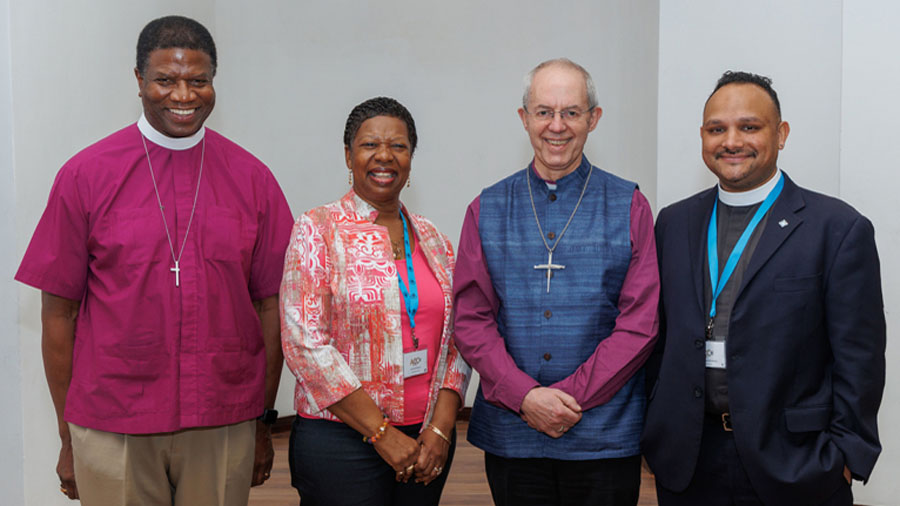
    [Episcopal News Service – Canterbury, England] In his third and final keynote address of the 15th Lambeth Conference, Archbishop of Canterbury Justin Welby called on the church “to tell, to teach, and to transform by responding to human need,” driving home the conference’s theme, “God’s Church for God’s World.”

    “The church united is not merely a help to the world; it is the sign of salvation to the transformation of the world. The church humbled and hospitable, generous and full of love, is not just a nice thing to have in society; it points to the kingdom of heaven,” said Welby on August 7, 2022, at the University of Kent, the site of the conference.

    Please accept YouTube cookies to play this video. By accepting you will be accessing content from YouTube, a service provided by an external third party.

    YouTube’s privacy policy

    If you accept this notice, your choice will be saved and the page will refresh.

    The church is not just another nongovernmental organization but “God’s chosen means of shining light in the darkness,” he said. Throughout his final address, Welby emphasized evangelism, formation, and discipleship, focusing on bishops’ vocation in leading God’s church, which exists for the sake of the salvation of God’s world.

    It’s in periods of darkness that churches confront the world’s challenges and grow, and their members must be educated in Scripture and extrapolate it into the world.

    “The strength of many churches that grow – grow deeper and grow in numbers – is that everyone knows the Gospel and can say something about their own testimony of their love and meeting with Jesus Christ,” Welby said. “They may not be eloquent, their theology may be slightly crude, but when they speak from the heart, others listen and their transformed lives illustrate their words.

    “It is essential throughout the churches of the communion that everyone understands themselves to be witnesses because they are baptized and filled with the Holy Spirit.”

    Over 650 bishops from across the Anglican Communion gathered July 26 at the University of Kent, just outside the city center, for the 12-day conference. Welby addressed the conference one last time when he preached at the closing Eucharist.

    The office of the archbishop of Canterbury is one of the four Instruments of Communion, as is the Lambeth Conference, which is typically held every 10 years. Installed in March 2013, Welby is the 105th bishop appointed to the office.

    Lambeth Calls

    At this Lambeth Conference, discussion centered on “Lambeth Calls,” draft papers on 10 subject areas that were intended to initiate discussion among the bishops and to offer action items for when they return to their provinces and dioceses after the conference. Calls focused on mission and evangelism, discipleship, environment and sustainable developmentreconciliation and human dignity.

    Despite Welby’s and organizers’ intentions to keep the discussions focused on the conference’s theme, long-standing disputes over human sexuality began simmering even before the conference began as conservatives sought to affirm a resolution adopted by bishops attending the 1998 Lambeth Conference that condemns same-sex marriage and all sex outside of marriage between a man and a woman. But by the conference’s seventh day, Welby had managed to tamp down some of the tension by lifting up both traditional and progressive marriage beliefs.

    Though stark divisions remain over issues of human sexuality across the communion, which covers 165 countries, many Anglican and Episcopal bishops concluded their time in Canterbury on a more hopeful note, looking toward unity despite lingering differences.

    Christians, he said, are called to reconciliation and to be reconcilers, though at times the church “coughs and staggers” along in the darkness of the world “in fear of the future.” How, he asked, should the church act in relationship?

    “That is the first and greatest call, the one we haven’t listed, but it is the greatest call because it is the Scriptural call. And through these weeks of calls and conversations, this week has not planned to be, but has become, a time of intense ecclesiological development and thinking and reflection for the Anglican Communion.

    “We are a communion of churches catholic and reformed, autonomous and interdependent, and we must keep to the principles of both.”

    The Scriptures, he said, form the “heart” of the reformed tradition, and the catholic tradition is not only staying true to the historical episcopacy but recognizing membership in a global church and upholding the principles of social organizing and education.

    “Autonomy is an expression of subsidiarity, the principle in Catholic social teaching that we should always work at the most local level possible.”

    Throughout the conference, and particularly when organizers decided to eliminate voting on the calls, delegates were reminded that the Lambeth Conference is not a legislative body, nor does it have binding authority.

    Statements of support

    In addition to the 10 Lambeth Calls, on August 6, the conference’s final business day, primates continued a tradition of issuing “statements of support” for areas of the Anglican Communion that are facing particular turmoil. Distinct from the Lambeth Calls, which recommend action, the statements bear witness to crises around the world – especially those that affect Anglican provinces – and send prayers for peace and resolution.

    The statements range from the need to address gun violence in the United States to the climate crisis to peace in Israel and Palestine to the world’s refugee crisis. In his final address, Welby made it clear that church leaders need to be courageous and use their voices to stand up to governments.

    “This is not the church getting involved in politics; it’s the church getting involved in God,” he said to applause.

    “All too often, all churches, not only Anglicans, have got sucked into supporting governments colluding with injustice and upholding oppression at any and every level. To stand up against oppression is frightening because it is costly and so many of you know that so well,” Welby said.

    “We don’t like it when governments speak forcefully against us or do worse than that … yet we must speak. To be silent on the climate emergency … on the unethical treatment of migrants or on war and oppression, on the abuse of human rights, on persecution, is to be one of the oppressors.”

    Lambeth Conference in phases

    As a result of the pandemic, the 15th Lambeth Conference took place in phases:

    • Phase 1, or the listening phase, happened in the year leading up to the conference.
    • Phase 2 was the conference itself.
    • Phase 3, which will be led by South Sudanese Bishop Anthony Poggo, the incoming secretary-general of the Anglican Communion, will take place over the next two years, aimed at further deepening understanding, building relationships and learning from one another.

    “It’s not an action list; it’s a relationship approach. But we will have the aim of seeing how we can put into practice, contextually, in our local area, in the right way, those things on which we have agreed …,” Welby said. “[It] will enable us to pray for one another, but most of all, it will take us facing outwards, going outwards; it will enable our relationships to draw us towards greater holiness and unity.”

    —Lynette Wilson is the managing editor of Episcopal News Service. She can be reached at lwilson@episcopalchurch.org.

    Lambeth Conference: God's Church for God's World

    What is the Lambeth Conference?

    Every bishop of the Anglican Communion is invited to the Lambeth Conference, which is convened by the Most Reverend Justin Welby, The Archbishop of Canterbury. The Lambeth Conference has met since 1867, happens once-a-decade, and is a significant event in the life of the Anglican Communion.

    The conference will explore church and world affairs. Outcomes of the conference will shape the life of the Anglican Communion in the decade ahead.

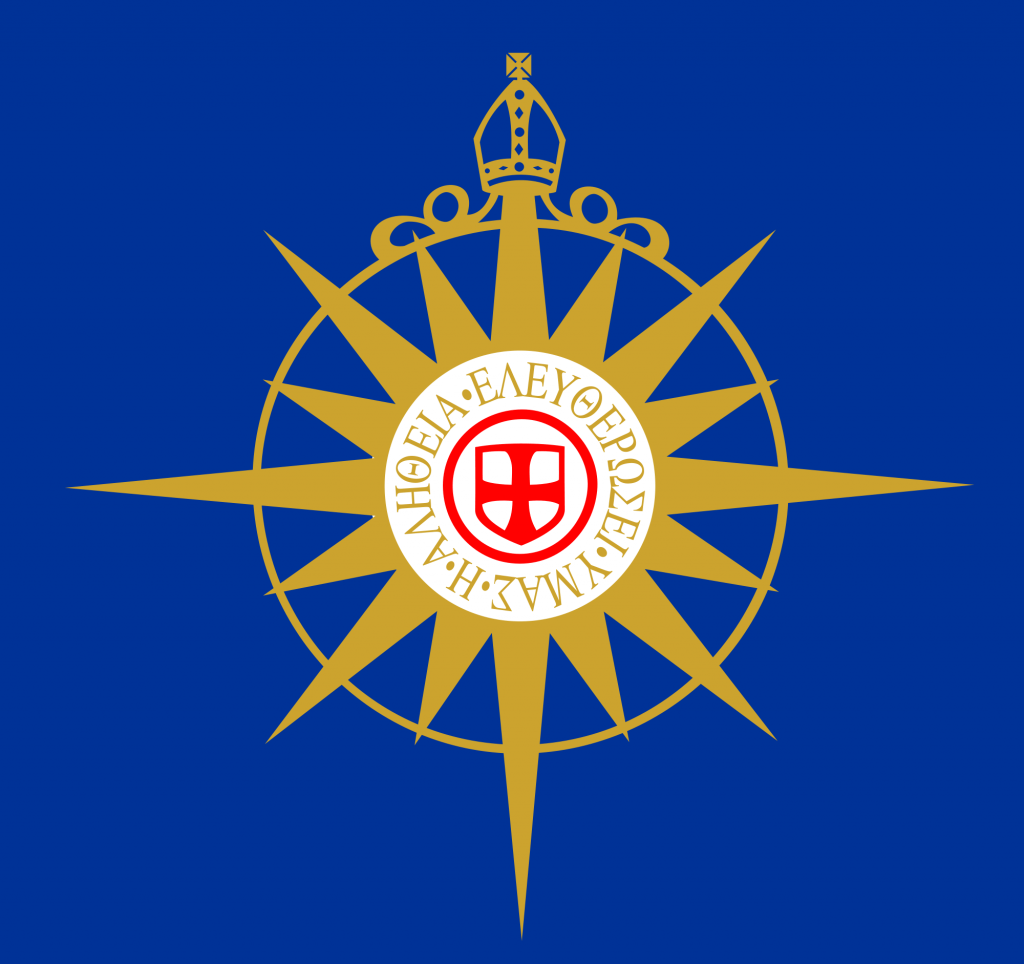
    Anglican Compass Rose

    The Anglican Communion

    The Anglican Communion has no central authority figure or body. It is made up of 42 autonomous members or provinces. Each member church makes its own decisions in its own way.

    However, their decision-making bodies are guided by recommendations from each of the four so-called Instruments of Communion

    The Secretariat, also known as the Anglican Communion Office, based in London, England support Anglicans and Episcopalians worldwide to carry out any requests from the Instruments and work to enable members of the Anglican Communion to fulfil their calling to be God’s people in the world.

    The Episcopal Church of the Redeemer: Worshiping God, living in community, reaching out to the world.

    Church of the Redeemer

    Church of the Redeemer: Worshiping God, living in community, and reaching out to the world around us. We are an Episcopal Church serving north King County and south Snohomish County, Washington. As you travel your road, go with friends walking the way of Jesus at Redeemer.

    Church of the Redeemer is at 6220 Northeast 181st Street in Kenmore, Washington. The campus is a short distance north of Bothell Way, near the Burke-Gilman Trail. The entrance looks like a gravel driveway. The campus is larger on the inside than it is on the outside. And we managed to hide a large building on the side of a hill that is not easily seen from the street.

    The Episcopal Church welcomes you.
  • Prioritize discipleship centered on Christ

    Prioritize discipleship centered on Christ

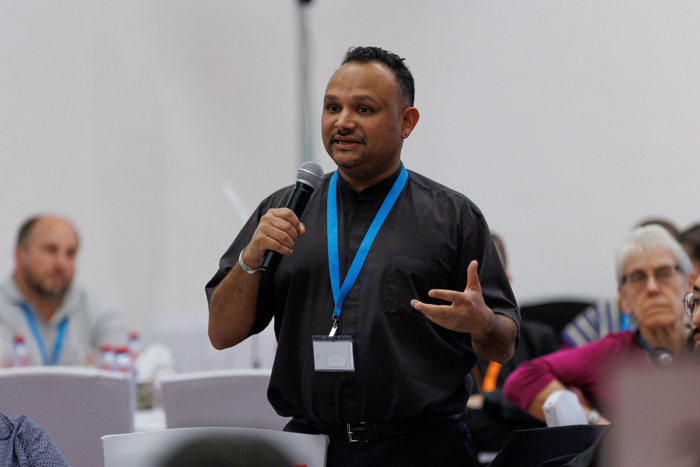
    [Episcopal News Service – Canterbury, England] Efforts to promote intentional discipleship took center stage on August 5, 2022, at the Lambeth Conference, as bishops from across the Anglican Communion considered ways of encouraging the Christians in their congregations to live a “Jesus-shaped life” as they grow together in their faith.

    “The term disciple can be used in an all-encompassing sense to refer to everyone in church who has been baptized,” West Indies Archbishop Howard Gregory said in his presentation during the day’s plenary. But, he continued, the church is increasingly aware of the need and desire for Christians to progress beyond a passive stage of spiritual development to becoming “disciples of Christ in every sphere of life.”

    The Rt. Rev. Eleanor Sanderson, assistant bishop in Wellington, New Zealand, spoke of working with young people in the Anglican Church in Aotearoa, New Zealand and Polynesia. Photo: The Lambeth Conference.

    Embrace “adventures with Jesus”

    The Rt. Rev. Eleanor Sanderson, assistant bishop in Wellington, New Zealand, spoke of embracing “adventures with Jesus” as she shared her experience with young people through the Anglican Youth Movement of the Anglican Church in Aotearoa, New Zealand and Polynesia. For the past 20 years, that work has involved the establishment of 40 missional “edge communities” centered around discipleship and engagement with the local community. It also has renewed the life of existing congregations that have partnered in these efforts.

    “We stood together with a commitment that we would make disciple-making a priority,” Sanderson said. “We felt called by the Holy Spirit to live and to model and to nurture this way of life ourselves.”

    Please accept YouTube cookies to play this video. By accepting you will be accessing content from YouTube, a service provided by an external third party.

    YouTube’s privacy policy

    If you accept this notice, your choice will be saved and the page will refresh.

    Discipleship deepens faith and strengthen commitment

    At this Lambeth Conference, planners have issued drafts of what are known as Lambeth Calls focusing on 10 subject areas, to initiate discussion among the more than 650 bishops and to offer action items for when they return to their provinces and dioceses after the conference concludes on August 8. The bishops’ Discipleship Call (page 29) says it is a call “for all Anglicans in every aspect of their lives to learn and to learn again to love and serve in the way of Christ ‘with the strength that God supplies.’”

    The Anglican Consultative Council also recognized the need to encourage Anglicans to deepen their faith and strengthen their commitment to leading Christ-centered lives in 2016, when it launched the Season of Intentional Discipleship and Disciple-Making. That initiative was reaffirmed in 2019 and will continue through 2026.

    West Indies Archbishop Howard Gregory spoke during the Aug. 5 discipleship plenary. Photo: The Lambeth Conference.

    Gregory, who also serves as bishop of Jamaica and the Cayman Islands, described a related initiative in Jamaica. The diocese developed Bible study materials for use in the diocese’s 300 congregations, which generated an unprecedented response, particularly from lay members. “We have seen a significant increase in lay involvement in ministry and ministry,” Gregory said.

    The Lambeth Call on Discipleship anchors itself in passages from 1 Peter, whose author called on the early Christians to “be serious and discipline yourselves for the sake of your prayers. … Like good stewards of the manifold grace of God, serve one another with whatever gift each of you has received.”

    Protect from a roaring lion

    Before the August 5 plenary, Archbishop of Canterbury Justin Welby, in his fifth and final Bible exposition on 1 Peter, held up the New Testament letter’s metaphor of the shepherd protecting his flock from “a roaring lion,” the devil, as also symbolic of discipleship. “There’s no option for being distracted by other matters,” Welby said.

    Today, Christians practice discipleship as something like modern shepherds, alert to the evils of the world, Welby said, but he also stressed that Christian discipleship is a humble and ongoing process of mutual transformation that sometimes calls Christians to the work of the shepherd and other times to the role of the flock that needs tending.

    “We are on a journey of growth into being shepherds,” he said. “We need guidance, and we need to be called to guide.”

    Sanderson, in a press briefing before the plenary, said it is easy to get distracted by church-centered thinking, focusing on what it takes to grow and maintain the church. “Jesus was really clear, he would build the church,” she said. “He asked us to make disciples.”

    That was one of Jesus’ central commands in the Gospel of Matthew, “Go therefore and make disciples of all nations,” as is cited by the Lambeth Call on Discipleship.

    Presiding Bishop Michael Curry co-chaired the Aug. 5 morning plenary session on discipleship. Photo: Richard Washbrooke/For the Lambeth Conference.

    Discipleship creates something profound

    Episcopal Church Presiding Bishop Michael Curry and Archbishop Ng Moon Hing, former primate of South East Asia, co-chaired the plenary on discipleship. Curry, in the morning press briefing, drew a connection between the Anglican Communion today and the discipleship of the early Christians during the time of 1 Peter.

    “Something profound happens in a person’s life when their center of gravity, or center of life, is no longer the self but Jesus of Nazareth,” Curry said. “That’s when we become the light of the world. … They changed the world in the first century, and If it can happen to them in the first century, it can happen to us in the 21st century.”

    – David Paulsen is an editor and reporter for Episcopal News Service. He can be reached at dpaulsen@episcopalchurch.org.

    Lambeth Conference: God's Church for God's World

    What is the Lambeth Conference?

    Every bishop of the Anglican Communion is invited to the Lambeth Conference, which is convened by the Most Reverend Justin Welby, The Archbishop of Canterbury. The Lambeth Conference has met since 1867, happens once-a-decade, and is a significant event in the life of the Anglican Communion.

    The conference will explore church and world affairs. Outcomes of the conference will shape the life of the Anglican Communion in the decade ahead.

    Anglican Compass Rose

    The Anglican Communion

    The Anglican Communion has no central authority figure or body. It is made up of 42 autonomous members or provinces. Each member church makes its own decisions in its own way.

    However, their decision-making bodies are guided by recommendations from each of the four so-called Instruments of Communion

    The Secretariat, also known as the Anglican Communion Office, based in London, England support Anglicans and Episcopalians worldwide to carry out any requests from the Instruments and work to enable members of the Anglican Communion to fulfil their calling to be God’s people in the world.

    The Episcopal Church of the Redeemer: Worshiping God, living in community, reaching out to the world.

    Church of the Redeemer

    Church of the Redeemer: Worshiping God, living in community, and reaching out to the world around us. We are an Episcopal Church serving north King County and south Snohomish County, Washington. As you travel your road, go with friends walking the way of Jesus at Redeemer.

    Church of the Redeemer is at 6220 Northeast 181st Street in Kenmore, Washington. The campus is a short distance north of Bothell Way, near the Burke-Gilman Trail. The entrance looks like a gravel driveway. The campus is larger on the inside than it is on the outside. And we managed to hide a large building on the side of a hill that is not easily seen from the street.

    The Episcopal Church welcomes you.
  • Be ‘revolutionary’ to meet modern challenges

    Be ‘revolutionary’ to meet modern challenges

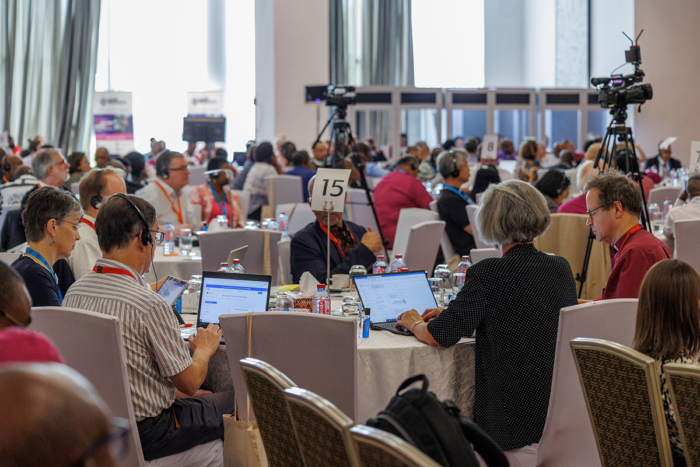
    [Episcopal News Service – Canterbury, England] In his second keynote address to the bishops of the Anglican Communion on August 5, 2022, Archbishop of Canterbury Justin Welby said the church should be “a place of revolution without violence,” taking bold action against the social injustices that afflict the poor and powerless.

    Some 650 bishops representing 165 countries are attending the 15th Lambeth Conference, the first in 14 years, after past conferences typically were held once a decade.

    In his later afternoon address, Welby expounded on some of the defining topics of the conference, which will end on August 7 with a closing service at Canterbury Cathedral. Churches, he said, are called to disrupt oppressive and exploitative systems, such as extreme economic disparities, resource hoarding and environmental destruction.

    Please accept YouTube cookies to play this video. By accepting you will be accessing content from YouTube, a service provided by an external third party.

    YouTube’s privacy policy

    If you accept this notice, your choice will be saved and the page will refresh.

    “How can science serve the Kingdom unless we have those who can argue the claims of God based on the gifts God has given us in science and technology?” Welby asked. “How can we challenge the selfishness of the rich if we are unable to argue with economics in the power of the Spirit?”

    In advance of the 2022 Lambeth Conference, Welby had said he hoped to unite the 85-million-member communion under common expressions of faith and social engagement, rather than focusing on debates over human sexuality that have divided bishops at past conferences. Instead, bishops were to come together around the theme “God’s Church for God’s World.” Aspects of that theme were have been presented in a series of 10 “Lambeth Calls,” including science and faith, mission and evangelism, interfaith relations, climate change and human dignity.

    On August 2, in a closed session on the Lambeth Call on Human Dignity, Welby sought to bring the bishops closer together by affirming the sincerity and theological rigor of Anglicans on both sides of the divide over the extent of LGBTQ+ inclusion in the church.

    In his August 5 address, the second of three, he indirectly referenced the Anglican Communion’s internal disputes over sexuality, saying Anglicans must be “united” but not necessarily “unanimous.”

    “The miracle that God has brought about in the church is not that like-minded people like each other, but that the most unlike people, love each other,” he said.

    Lambeth Conference: God's Church for God's World

    What is the Lambeth Conference?

    Every bishop of the Anglican Communion is invited to the Lambeth Conference, which is convened by the Most Reverend Justin Welby, The Archbishop of Canterbury. The Lambeth Conference has met since 1867, happens once-a-decade, and is a significant event in the life of the Anglican Communion.

    The conference will explore church and world affairs. Outcomes of the conference will shape the life of the Anglican Communion in the decade ahead.

    Anglican Compass Rose

    The Anglican Communion

    The Anglican Communion has no central authority figure or body. It is made up of 42 autonomous members or provinces. Each member church makes its own decisions in its own way.

    However, their decision-making bodies are guided by recommendations from each of the four so-called Instruments of Communion

    The Secretariat, also known as the Anglican Communion Office, based in London, England support Anglicans and Episcopalians worldwide to carry out any requests from the Instruments and work to enable members of the Anglican Communion to fulfil their calling to be God’s people in the world.

    The Episcopal Church of the Redeemer: Worshiping God, living in community, reaching out to the world.

    Church of the Redeemer

    Church of the Redeemer: Worshiping God, living in community, and reaching out to the world around us. We are an Episcopal Church serving north King County and south Snohomish County, Washington. As you travel your road, go with friends walking the way of Jesus at Redeemer.

    Church of the Redeemer is at 6220 Northeast 181st Street in Kenmore, Washington. The campus is a short distance north of Bothell Way, near the Burke-Gilman Trail. The entrance looks like a gravel driveway. The campus is larger on the inside than it is on the outside. And we managed to hide a large building on the side of a hill that is not easily seen from the street.

    The Episcopal Church welcomes you.
  • Pray for the Lambeth Conference: Day 11-12

    Pray for the Lambeth Conference: Day 11-12

    Thank you for praying with us for the fifteenth Lambeth Conference – which will meet in Canterbury, the United Kingdom, between 26 July– 8 August 2022.

    Through this prayer guide we hope that the prayers we share here will encourage all who use it to unite in prayer for the bishops gathered in the Lambeth Conference.

    The closing of the conference

    The conference closes with summaries from the week, giving thanks to God for all that has happened and looking to the future – asking what will it mean to be God’s Church for God’s World in the decade ahead?

    The Sisters of Jesus Way, Church of England

    Our prayer for the Lambeth Conference is the prayer of Jesus for His Disciples and for All Believers in John 17:

    Holy Father, protect them by the power of your name – the name you gave me – so that they may be one as we are one.

    John 17:11

    My prayer is not for them alone. I pray also for those who will believe in me through their message, that all of them may be one, Father, just as you are in me and I am in you. May they also be in us so that the world may believe that you have sent me….I have given them the glory that you gave me, that they may be one as we are one: I in them and you in me. May they be brought to complete unity to let the world know that you sent me and have loved them even as you have loved me.

    John 17:20-22

    Captain of Israel’s host, and guide
    Of all who seek the land above,
    Beneath thy shadow we abide,
    The cloud of thy protecting love;
    Our strength, thy grace; our rule, thy word;
    Our end, the glory of the Lord.

    By thine unerring Spirit led,
    We shall not in the desert stray;
    We shall not full direction need,
    Nor miss our providential way;
    As far from danger as from fear,
    While love, almighty love, is near.

    Charles Wesley

    What is the Lambeth Conference?

    Every bishop of the Anglican Communion is invited to the Lambeth Conference, which is convened by the Most Reverend Justin Welby, The Archbishop of Canterbury. The Lambeth Conference has met since 1867, happens once-a-decade, and is a significant event in the life of the Anglican Communion.

    The conference will explore church and world affairs. Outcomes of the conference will shape the life of the Anglican Communion in the decade ahead.

    Anglican Compass Rose

    The Anglican Communion

    The Anglican Communion has no central authority figure or body. It is made up of 42 autonomous members or provinces. Each member church makes its own decisions in its own way.

    However, their decision-making bodies are guided by recommendations from each of the four so-called Instruments of Communion

    The Secretariat, also known as the Anglican Communion Office, based in London, England support Anglicans and Episcopalians worldwide to carry out any requests from the Instruments and work to enable members of the Anglican Communion to fulfil their calling to be God’s people in the world.

    The Episcopal Church of the Redeemer: Worshiping God, living in community, reaching out to the world.

    Church of the Redeemer

    Church of the Redeemer: Worshiping God, living in community, and reaching out to the world around us. We are an Episcopal Church serving north King County and south Snohomish County, Washington. As you travel your road, go with friends walking the way of Jesus at Redeemer.

    Church of the Redeemer is at 6220 Northeast 181st Street in Kenmore, Washington. The campus is a short distance north of Bothell Way, near the Burke-Gilman Trail. The entrance looks like a gravel driveway. The campus is larger on the inside than it is on the outside. And we managed to hide a large building on the side of a hill that is not easily seen from the street.

    The Episcopal Church welcomes you.

  • Ecumenical, interfaith at Lambeth sessions

    Ecumenical, interfaith at Lambeth sessions

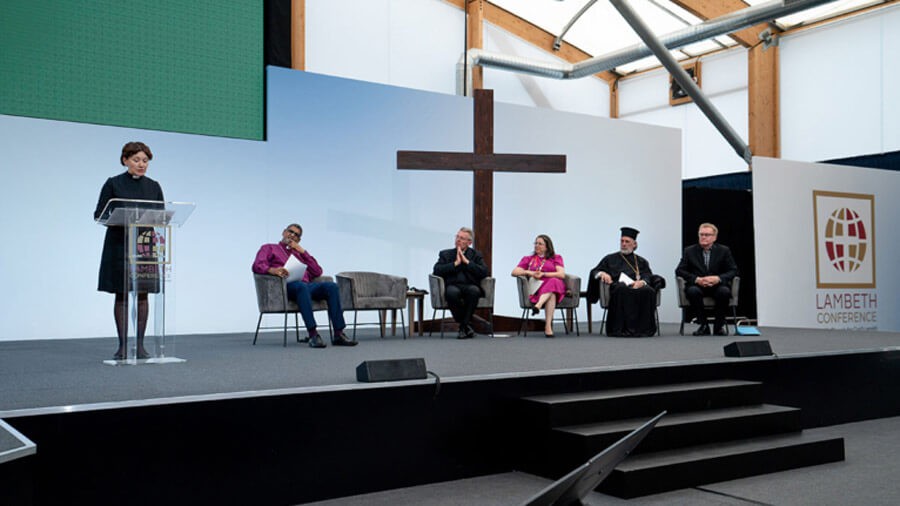
    [Episcopal News Service – Canterbury, England] Planners of this Lambeth Conference have sought to emphasize points of internal unity across the Anglican Communion’s 42 global provinces through their shared Christian faith, despite deep divisions over human sexuality. On August 4, 2022, the more than 650 bishops who are gathered here at the University of Kent widened their focus to striving for unity among all Christian denominations, as well as efforts to bridge gaps between Christians and people of other faiths.

    The day’s two plenaries featured panelists sharing their experiences with ecumenical and interfaith relations, and the bishops’ closed session later in the day took up two corresponding Lambeth Calls, which are the documents this conference is using to initiate discussion while recommending action items for bishops when they return to their provinces and dioceses.

    “The disunity of the Church is a continuing and damaging wound in the body of Christ,” the Lambeth Call on Christian Unity says, referencing a century of history of ecumenical work since “An Appeal to all Christian People” was issued by the 1920 Lambeth Conference. The Christian Unity Call, however, says progress has slowed in recent years, limiting Christian churches’ ability to more closely share in ministries and sacraments, including Communion. Also at stake is shared Christian witness for reconciliation “at a time when in many parts of the world, government regulation, persecution and even terrorism make Christians vulnerable in their life and witness.”

    “Despite our divisions, we recognize in other Christian churches the fruitfulness of the work of the Holy Spirit, commitment to the proclamation of the Gospel and loyalty to Jesus’ institution of the Sacraments that we cherish in our own lives,” the Christian Unity Call says.

    Ecumenical partners at Lambeth

    The presence of some 40 representatives from other churches, Christian organizations and ecumenical partners could be seen as a sign of hope. Those individuals have joined or plan to join the Anglican bishops meeting at the University of Kent through August 8, and several guests were welcomed as panelists for the first plenary of this ninth day of the conference.

    Statement by Cardinal Kurt Koch of the dicastery for promoting Christian unity

    Roman Catholic Cardinal Kurt Koch, prefect of the dicastery for promoting Christian unity, was unable to attend the Lambeth Conference in person, but he submitted a written statement that was read on his behalf by the Rev. Anthony Currer. It referenced the Lambeth Conference theme, “God’s Church for God’s World,” which was chosen by Archbishop of Canterbury Justin Welby, who is convening the conference.

    “This motto can only be true to its meaning if the church can undertake its global mission in reconciled form,” Koch said in his statement, which examined some of the challenges in improving ecumenical relations. “We need a common vision, because we shall grow further apart if we do not aim towards a common goal.”

    David Wells of the Pentecostal World Fellowship

    David Wells, vice chair of the Pentecostal World Fellowship, also spoke of the challenges and benefits of ecumenism.

    “Spiritual ecumenism has assisted us in coming more and more to the table,” Wells said of his church. He acknowledged that when denominations focus only on their own Christian practices, “one can end up with a fixed set of identity, and it can lead to a myopic view of the family of God and from it sometimes arises arrogance and judgement.” Christian churches can hold on to their core beliefs, he said, but also “understand that there is so much more to learn from our other brothers and sisters.”

    Archbishop Nikitas of Thyateira and Great Britain

    Two other panelists highlighted the ways members of the global Christian church can respond together to the issues of the day. Greek Orthodox Archbishop Nikitas of Thyateira and Great Britain cited the example of human trafficking and modern forms of slavery. “The sins of the past are alive and thriving in a modern world that dares to speak of human rights, justice and truth,” the archbishop said. “It is therefore time for us as Christians to unify our efforts and do what is required by God to speak out against injustice and every evil.”

    Atlanta Bishop Rob Wright listens as Archbishop of Canterbury Justin Welby speaks on Aug. 4 during the morning’s Bible Exposition. Photo: Neil Turner/For the Lambeth Conference.

    Bishop Marinez Bassotto of the Amazon

    And representing the Episcopal Anglican Church of Brazil, the Rt. Rev. Marinez Bassotto, bishop of the Amazon, described some of her diocese’s recent work with ecumenical partners to support the rights of Indigenous peoples. They have been oppressed by a government that allows continued abuse by corporations hungry for their land and its resources, she said.

    “The church is a witness, that only through unconditional respect is it possible to live according to Christ,” Bassotto said through an interpreter.

    Breakaway Anglican groups

    Reference to the breakaway Anglican groups that have formed their own provinces over theological and doctrinal disagreements, particularly their opposition to full LGBTQ+ inclusion in the life of the church, was absent from these official discussions. The Anglican Church in North America, or ACNA, and the Anglican Church in Brazil are not recognized as member provinces of the Anglican Communion, though they still maintain relationships with some of the communion’s more conservative provinces and bishops.

    Welby had invited ACNA to attend this Lambeth Conference, but as an observer. ACNA Archbishop Foley Beach responded by refusing to participate, “as long as the Archbishop of Canterbury is inviting bishops to Lambeth who are living in immorality and continuing to tear the fabric of the Communion.”

    The relationship between ACNA and the Anglican Communion is complicated, the Ven. Will Adam told Episcopal News Service when asked about ACNA’s “observer” label. Adam is the former deputy general secretary of the Anglican Communion and now serves as archdeacon of Canterbury.

    Other Christian churches were invited to attend as ecumenical observes or participants, but there is no such easy or established category for churches that are made up largely of breakaway groups of former members of the Anglican Communion. “You can’t put the Anglican Church of North America in the same box as the Greek Orthodox Church,” Adam said.

    “What I would be really interested to see in the future is whether the next generation, particularly the Anglican Church in North America – whether the next generation still ends up fighting the same battles as the previous ones,” Adam said. The generation of ACNA leaders “who haven’t left anything” may fuel hope of a thaw in relations.

    Bishop John Bauerschmidt of the Episcopal Diocese of Tennessee, in an interview with ENS, said he wasn’t aware of any Episcopal or Anglican dialogue underway with ACNA, but like Adam, he expressed a hope for the future. Bauerschmidt is a member of a group of conservative Episcopal and Canadian Anglican bishops known as the Communion Partners.

    “Sometimes, it’s those who are closest to us where there’s the most friction,” he said, noting that many ACNA clergy are former Episcopal clergy. “There’s a new generation in each church that doesn’t share that history and doesn’t share the history of conflict either, so there will be a new day in the relationship between our churches as there’s a generational change. That would be my hope and prayer.”

    Presiding Bishop Michael Curry listens as Archbishop of Canterbury Justin Welby speaks on Aug. 4 during the morning’s Bible Exposition. Photo: Neil Turner/For the Lambeth Conference.

    Ecumenical winter beginning to thaw

    Bauerschmidt, who also served last month on the 80th General Convention’s Committee on Ecumenical and Interreligious Relations, said he was pleased that this Lambeth Conference gave such a high profile to Christian unity. “People sometimes talk about an ‘ecumenical winter,’” he said. “I think that the ecumenical winter is beginning to thaw.”

    He pointed to examples of what is known as “receptive ecumenism” through organizations and initiatives like the World Council of Churches and the Anglican-Roman Catholic International Commission. “It’s a kind of willingness to see the gifts that each other brings that help build up both churches,” he said.

    Interfaith relations

    As for interfaith relations, “it would be a mistake for Christians to simply concentrate on their own dialogue within the Christian family,” Bauerschmidt said. “We must be aware of what’s happening in other religious traditions.”

    The afternoon plenary on interfaith relations was titled “Hospitality and Generosity.” The keynote speaker, Chelmsford Bishop Guli Francis-Dehqani of the Church of England, shared her childhood experience as a Christian refugee. Her family fled Iran when she was 14 in response to the 1979 Iranian Revolution. Her father was the Anglican bishop of the diocese in Iran, and her brother was killed there, presumably because of his connection to the church.

    And yet, Francis-Dehqani said, she felt called by her Christian faith to unravel the paradox of Christian engagement with other faiths “when elements within those faiths wish us harm.” She came to believe that “the evils which have befallen the church are not a reflection of the whole Islamic faith,” she said, just as the violence of the medieval Crusades and today’s Christian nationalist movements are not a reflection of the whole Christian faith.

    The Lambeth Call on Inter Faith Relations alludes to the sometimes dramatic difference in contexts in which Anglicans around the globe interact with people of other faiths.

    “For some in the Anglican Communion there is the freedom to call people into baptism and discipleship, and our neighbors of other religious traditions can also become partners in work for the common good, tackling areas of shared concern such as the pandemic or climate change,” the call states. “In some contexts, however, Anglicans face hostility and even persecution.”

    In the morning news briefing before the plenaries, Francis-Dehqani said that she finds hope rather than trouble in the variety of global faiths.

    “As human beings we’re hard-wired to be drawn more naturally to people who are like ourselves,” she said. “[When] actually, we’re much more enriched when we engage with people who are different from ourselves, and we begin to get the sense of seeing the world through their eyes and understanding their experiences. It’s more difficult, but I do think it’s more enriching – and far more connects us as human beings.”

    – David Paulsen is an editor and reporter for Episcopal News Service. He can be reached at dpaulsen@episcopalchurch.org.

    Lambeth Conference: God's Church for God's World

    What is the Lambeth Conference?

    Every bishop of the Anglican Communion is invited to the Lambeth Conference, which is convened by the Most Reverend Justin Welby, The Archbishop of Canterbury. The Lambeth Conference has met since 1867, happens once-a-decade, and is a significant event in the life of the Anglican Communion.

    The conference will explore church and world affairs. Outcomes of the conference will shape the life of the Anglican Communion in the decade ahead.

    Anglican Compass Rose

    The Anglican Communion

    The Anglican Communion has no central authority figure or body. It is made up of 42 autonomous members or provinces. Each member church makes its own decisions in its own way.

    However, their decision-making bodies are guided by recommendations from each of the four so-called Instruments of Communion

    The Secretariat, also known as the Anglican Communion Office, based in London, England support Anglicans and Episcopalians worldwide to carry out any requests from the Instruments and work to enable members of the Anglican Communion to fulfil their calling to be God’s people in the world.

    The Episcopal Church of the Redeemer: Worshiping God, living in community, reaching out to the world.

    Church of the Redeemer

    Church of the Redeemer: Worshiping God, living in community, and reaching out to the world around us. We are an Episcopal Church serving north King County and south Snohomish County, Washington. As you travel your road, go with friends walking the way of Jesus at Redeemer.

    Church of the Redeemer is at 6220 Northeast 181st Street in Kenmore, Washington. The campus is a short distance north of Bothell Way, near the Burke-Gilman Trail. The entrance looks like a gravel driveway. The campus is larger on the inside than it is on the outside. And we managed to hide a large building on the side of a hill that is not easily seen from the street.

    The Episcopal Church welcomes you.
  • Anglican Communion Forest Initiative launch

    Anglican Communion Forest Initiative launch

    [Episcopal News Service – London, England] With the launch of the Anglican Communion Forest Initiative, Anglican and Episcopal bishops from across the world are seeking to make tangible their shared commitment of the Fifth Mark of Mission, to strive to safeguard the integrity of creation and sustain and renew the life of the Earth.

    Climate change “is an absolutely enormous emergency for literally billions of the world’s population,” Archbishop of Canterbury Justin Welby said during an August 3, 2022, press conference held in the Lambeth Palace Library.

    “If we stand united, we can, as the global Anglican Communion, make a transformative difference around the world,” he said. “There is a real sense of unity on this, and today is a sign of great hope for the poorest who represent the vast majority of Anglicans in the world.”

    Environment and sustainable development discussions

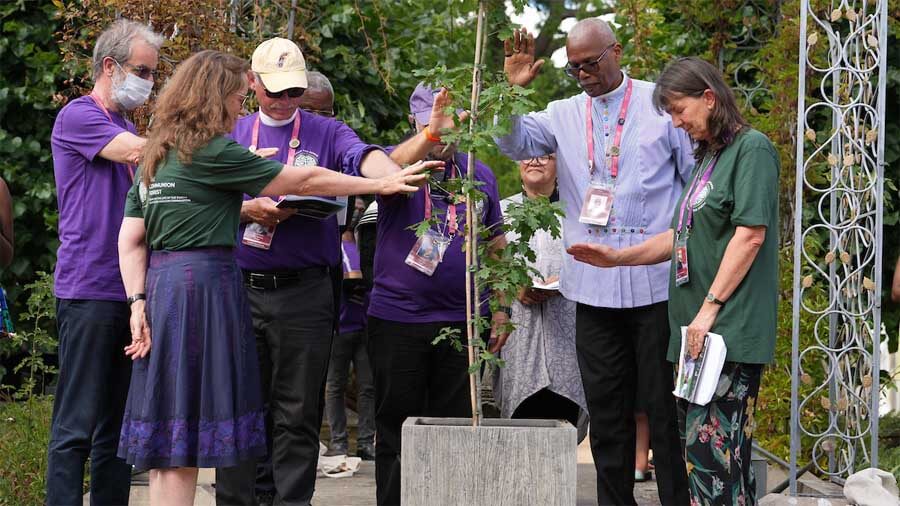
    It was the eighth day of the Lambeth Conference, and bishops and their spouses traveled by bus to spend the day in Lambeth Palace’s garden, where the discussion focused on environment and sustainable development. While there, the forest’s first tree was planted in the garden marking the launch of the global forest initiative focused on provinces’, dioceses’ and individual churches’ efforts toward forest protection, tree growing and eco-system restoration.

    “I believe that to plant a tree is a symbol of hope, to protect an ecosystem is a symbol of love, and to restore a habitat is to bring healing to our planet,” said Diocese of Norwich Bishop Graham Usher, the Church of England’s lead bishop for the environment, during the press conference.

    Although there is no existing funding mechanism for the initiative, it is the organizers’ hope that it will become the legacy of the 15th Lambeth Conference and that the launch is designed to encourage people to join the effort.

    Please accept YouTube cookies to play this video. By accepting you will be accessing content from YouTube, a service provided by an external third party.

    YouTube’s privacy policy

    If you accept this notice, your choice will be saved and the page will refresh.

    Forest initiative a “nature-based solution”

    California Bishop Marc Andrus, a long-time leader on environmental issues in The Episcopal Church, called the forest initiative “a nature-based solution.”

    “Instead of putting carbon dioxide into the atmosphere, the greenhouse gases that we know are heating the planet up and causing not just heating but climate ‘weirding,’ all the erratic and increasingly violent storms and other kinds of events – instead of that effect, we’re pulling greenhouse gases out of the atmosphere,” Andrus told Episcopal News Service in a video interview in the palace’s garden.

    Discussions on the environment and sustainable development

    The Lambeth Conference is a typically once-a-decade gathering of Anglican bishops from around the world; it has been underway since July 26, 2022, to the southeast of London in Canterbury. Over 650 bishops from 165-plus countries are gathered at Welby’s invitation, engaging in Bible study, plenary and closed sessions to discuss world issues, including mission, evangelism, “safe church” policies, reconciliation, human dignity and sexuality. The conversations are meant to guide the communion in the coming decade.

    (See full ENS coverage of the Lambeth Conference.)

    While gathered at Lambeth Palace, bishops discussed the Lambeth Call on Environment and Sustainable Development.

    Archbishop Julio Murray of the Anglican Church of Central America

    During the press conference, Archbishop Julio Murray, primate of the Anglican Church of Central America and bishop of the Diocese of Panama, stressed the importance of holding global leaders to their commitments to fund climate adaptation and mitigation programs in less-developed countries, what is commonly referred to as “loss and damages,” spelled out in the 2015 Paris Climate Agreement.

    “The most wealthy countries have signed on, but when we were at COP 26, we found out that what they had signed onto they weren’t complying with,” said Murray, who led the Anglican delegation to the 2021 United Nation’s climate conference in Glasgow, Scotland. And, he said, even when the funds were available, countries encounter real bureaucratic hurdles in accessing them. Advocating for easier, better access at the level of national government, he suggested, is one way religious leaders can have a positive impact.

    Elizabeth Wathuti from Kenya

    Elizabeth Wathuti, a Kenyan youth climate activist, echoed Murray’s remarks, stressing that what is needed now is courageous leadership.

    “I would add that people listen to their faith leaders,” she said during the press conference. “From the part of the world where I’m coming, faith leaders share and have a seat at the table with the people that make the decisions across different sectors in the countries. Being able to understand the big role that leaders can play in helping us actually act is really important.”

    It’s those same leaders, she said, who get ordinary citizens to understand what’s at stake, the lives of people and their livelihoods. “To also understand that the climate issues are so much interrelated with other issues with the food we eat, the air that we breathe, the health and everything that surrounds us … If we do not really take action on climate right now, it’s going to mean that the world is going to be uninhabitable,” Wathuti said.

    Other comments about the environment and climate change

    Following the press conference, in a conversation with ENS, Murray stressed that churches, especially those on the front lines, often find themselves providing relief.

    “The church calls upon the membership to help us respond to the relief that is so needed around the world,” Murray said, adding also that “the church is also saying to the government, listen, we are doing it out of relief, because we know the impact that it causes on the life of the people, but you need to do it because you sign on to a protocol, you need to be committed and you need to respond.”

    In her message to the Lambeth Conference, Queen Elizabeth II acknowledged “the effects of climate change are threatening the lives and livelihoods of many people and communities, not least the poorest and those less able to adapt and adjust.” The conference, she said, is happening “at a time of great need for the love of God.”

    Bishop Marinez Bassotto leads the Episcopal-Anglican Church of Brazil’s Diocese of the Amazon, which covers five of Brazil’s northern, remote states where heat, deforestation, mudslides, fires and other climate-related disasters are forcing people to flee the region and look for work in cities, which in turn causes poverty rates to increase there, she told ENS.

    On the same day the bishops gathered in London, flash floods killed at least 24 people in Uganda and just last week, deadly floods ravaged Kentucky leaving at least 37 people dead.

    Efforts of the Episcopal Church

    The immediate impacts of climate change are being felt worldwide, and Episcopal churches in the United States and Europe, where the church is present in seven countries, are making efforts to minimize their carbon footprints and educate people about creation care, clean energy and climate impact mitigation strategies.

    Convocation of Episcopal Churches in Europe

    The Convocation of Episcopal Churches in Europe, for instance, has a ministry initiative on climate and creation care, which stresses environmental stewardship as a Christian value, Bishop Mark Edington, who leads the convocation, told ENS in the palace’s garden.

    Diocese of South Carolina

    In the Charleston-based Episcopal Diocese of South Carolina, where sea level rise is an immediate threat, the diocese is just beginning a creation care initiative to include education around “habits and practices that we have that, simply, both individually and collectively, need to change around our use of fossil fuels and around our use of plastics,” Bishop Ruth Woodliff-Stanley, told ENS.

    Diocese of Colorado

    In Colorado, where an outdoor lifestyle is part of the culture, and where water shortages and wildfires are becoming increasingly frequent, environmental stewardship is a priority.

    “All of our churches, each in their own way, are working on how they care for creation and how they can help lessen their carbon footprint,” Bishop Kym Lucas, who leads the Episcopal Church in Colorado, told ENS. “And it’s really important for us to talk about these in terms of our stewardship and not in terms of politics or policies, but our obligation as baptized Christians to take care of this gift that we’ve been given.”

    Diocese of Wyoming

    A sensitive “dichotomy” also exists to the north in Wyoming, where Bishop Paul-Gordon Chandler leads the Episcopal Church in Wyoming.

    “We’ve got this beautiful, gorgeous terrain and wildlife that we’re known for, but we also are one of the energy states, coal especially,” he told ENS in the palace’s garden. And, so, what we’re doing is seeking to find a moderating voice, and let the church be right in the center of it all.”

    One way Episcopalians in Wyoming approach that is what Chandler calls “a sacred harmony, of being at one with the Earth and all that was created and lives on the Earth.”

    And, he said, they are increasingly looking to their “Native American sisters and brothers, where this is inherently part of their spirituality, and giving them a voice, not just in our local context but sharing that voice nationally.”

    —Lynette Wilson is the managing editor of Episcopal News Service. She can be reached at lwilson@episcopalchurch.org.

    Lambeth Conference: God's Church for God's World

    What is the Lambeth Conference?

    Every bishop of the Anglican Communion is invited to the Lambeth Conference, which is convened by the Most Reverend Justin Welby, The Archbishop of Canterbury. The Lambeth Conference has met since 1867, happens once-a-decade, and is a significant event in the life of the Anglican Communion.

    The conference will explore church and world affairs. Outcomes of the conference will shape the life of the Anglican Communion in the decade ahead.

    Anglican Compass Rose

    The Anglican Communion

    The Anglican Communion has no central authority figure or body. It is made up of 42 autonomous members or provinces. Each member church makes its own decisions in its own way.

    However, their decision-making bodies are guided by recommendations from each of the four so-called Instruments of Communion

    The Secretariat, also known as the Anglican Communion Office, based in London, England support Anglicans and Episcopalians worldwide to carry out any requests from the Instruments and work to enable members of the Anglican Communion to fulfil their calling to be God’s people in the world.

    The Episcopal Church of the Redeemer: Worshiping God, living in community, reaching out to the world.

    Church of the Redeemer

    Church of the Redeemer: Worshiping God, living in community, and reaching out to the world around us. We are an Episcopal Church serving north King County and south Snohomish County, Washington. As you travel your road, go with friends walking the way of Jesus at Redeemer.

    Church of the Redeemer is at 6220 Northeast 181st Street in Kenmore, Washington. The campus is a short distance north of Bothell Way, near the Burke-Gilman Trail. The entrance looks like a gravel driveway. The campus is larger on the inside than it is on the outside. And we managed to hide a large building on the side of a hill that is not easily seen from the street.

    The Episcopal Church welcomes you.
  • Pray for the Lambeth Conference: Day 10

    Pray for the Lambeth Conference: Day 10

    Thank you for praying with us for the fifteenth Lambeth Conference – which will meet in Canterbury, the United Kingdom, between 26 July– 8 August 2022.

    Through this prayer guide we hope that the prayers we share here will encourage all who use it to unite in prayer for the bishops gathered in the Lambeth Conference.

    Pray for Christian unity

    Bible focus: 1 Peter 5: 1-14 – Authority in Christ

    The bishops will explore what it means to grow churches that are intentional about discipleship – developing communities of faith that nurture Christians to follow Jesus and develop their spirituality.

    The Order of St Benedict – Mucknell Abbey, Church of England

    Holy and loving God, we thank you for calling us to be disciples of Jesus Christ.

    As we grow in our discipleship, we ask for the gift of eager curiosity to discover ever deeper and richer meaning in Jesus’ way of life and teaching.

    Give us the grace to recognise their implications for our own attitudes and ways of living, and rather than take refuge in past assumptions, give us the courage to respond to the challenges with trustful obedience.

    May our discipleship be our increasingly faithful witness to your Risen Christ who dwells in us and to your unbounded love for all your creation.

    We ask this as members of Christ’s mystical body here on earth. Amen

    The Community of the Holy Name, Diocese of Zululand, Anglican Church of Southern Africa

    Heavenly Father, you are the only living God.
    You bring light in the darkness, you bring hope because you are the God of love.
    Lord God, make us one as you are one in the Holy Trinity.
    Help us realize that you are the source of unity and that if we are not united we cannot defeat our enemy, the devil.
    Let the Holy Spirit take control and keep us united as Christians so that the whole world may confess that we are the children of God and praise him who is our strong tower.
    We pray for our Christian families and all other institutions.
    When we get weary on the way, unity in Christ will always give us strength to rise on wings like eagles and sing praises to God in the highest.
    So, dear Lord, keep us united in the precious name of our Lord Jesus Christ.

    Amen

    What is the Lambeth Conference?

    Every bishop of the Anglican Communion is invited to the Lambeth Conference, which is convened by the Most Reverend Justin Welby, The Archbishop of Canterbury. The Lambeth Conference has met since 1867, happens once-a-decade, and is a significant event in the life of the Anglican Communion.

    The conference will explore church and world affairs. Outcomes of the conference will shape the life of the Anglican Communion in the decade ahead.

    Anglican Compass Rose

    The Anglican Communion

    The Anglican Communion has no central authority figure or body. It is made up of 42 autonomous members or provinces. Each member church makes its own decisions in its own way.

    However, their decision-making bodies are guided by recommendations from each of the four so-called Instruments of Communion

    The Secretariat, also known as the Anglican Communion Office, based in London, England support Anglicans and Episcopalians worldwide to carry out any requests from the Instruments and work to enable members of the Anglican Communion to fulfil their calling to be God’s people in the world.

    The Episcopal Church of the Redeemer: Worshiping God, living in community, reaching out to the world.

    Church of the Redeemer

    Church of the Redeemer: Worshiping God, living in community, and reaching out to the world around us. We are an Episcopal Church serving north King County and south Snohomish County, Washington. As you travel your road, go with friends walking the way of Jesus at Redeemer.

    Church of the Redeemer is at 6220 Northeast 181st Street in Kenmore, Washington. The campus is a short distance north of Bothell Way, near the Burke-Gilman Trail. The entrance looks like a gravel driveway. The campus is larger on the inside than it is on the outside. And we managed to hide a large building on the side of a hill that is not easily seen from the street.

    The Episcopal Church welcomes you.
Spring forward this Sunday, March 8, 2026. Daylight saving time starts. 

Stop by The Hangar at Kenmore Town Square anytime between 2:00 pm and 3:00 pm for Ashes to Go on Ash Wednesday, March 5, 2025.

3rd Sunday in Lent (Year A), March 8, 2026. Services at 8:00 am (no music) and 10:30 (music). Christian education for children and adults at 9:15 am. Spring forward one hour for the start of Daylight Saving Time.

Episcopal Church of the Redeemer
Privacy Overview

Cookie information is stored in your browser and performs functions such as recognizing you when you return to our website and helping our team to understand which pages of the website are visited. We aren't using cookies to determine your web browsing habits, but others can.